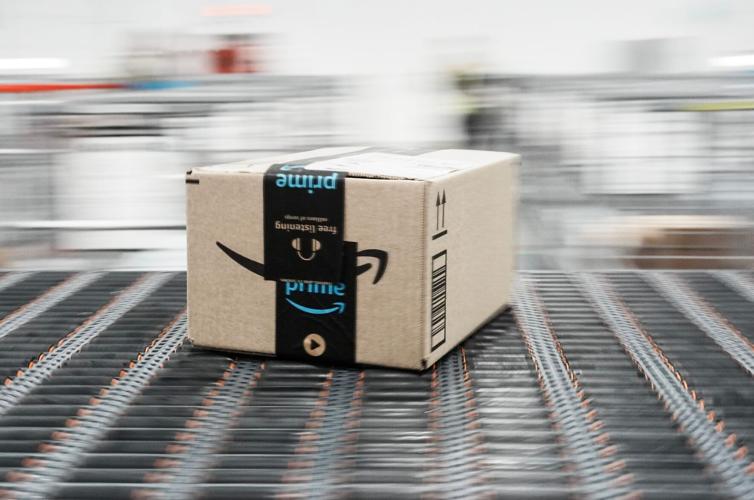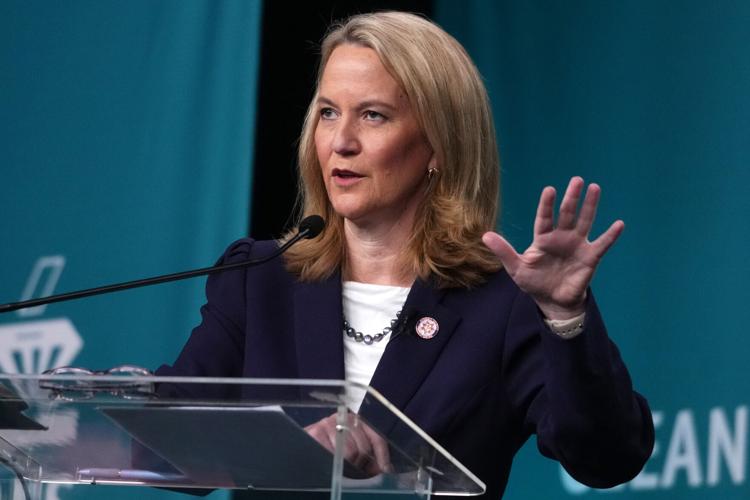
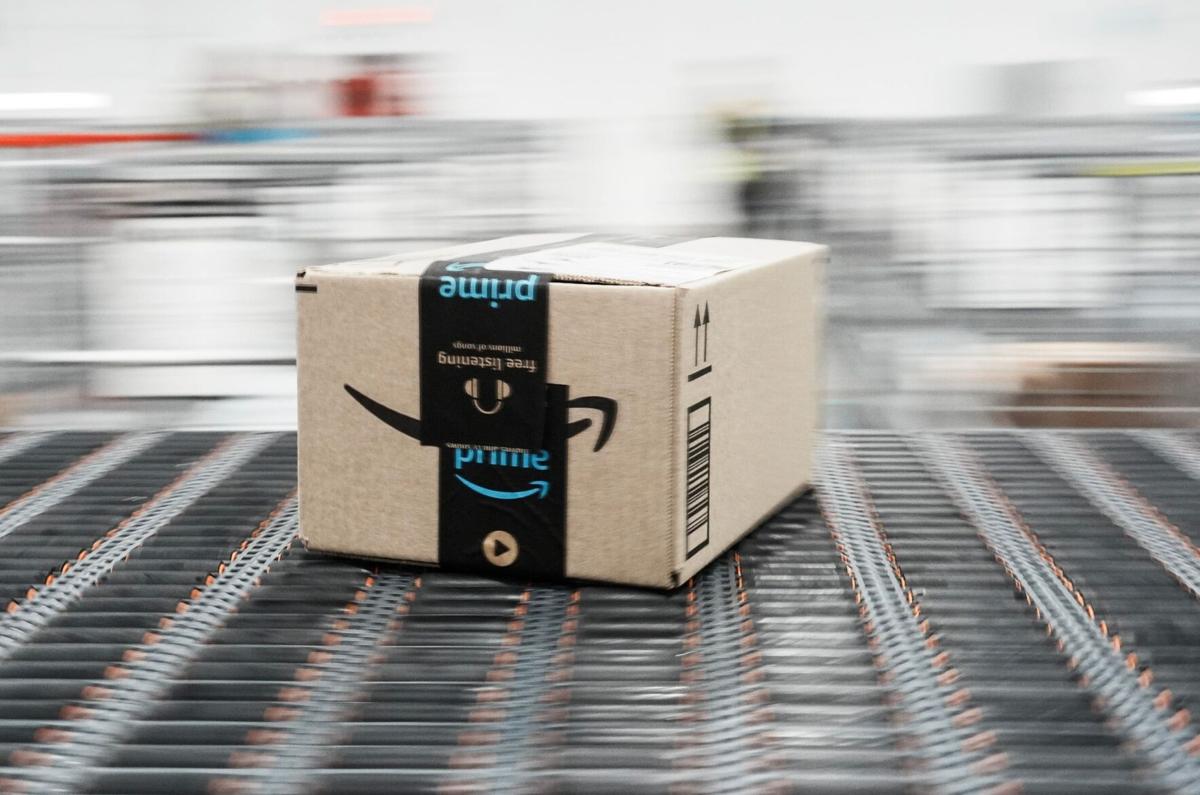
PHOENIX ��� Retail giant Amazon has agreed to refund $3 million to Arizonans whom Attorney General Kris Mayes claimed were effectively trapped into paying for Prime memberships because the company made it difficult to get out.
In a new consent judgment, Amazon denies that it ever engaged in activity that violates any Arizona law. And attorneys for the state agreed they cannot claim that any of its past, present or future business practices are illegal.
But the deal requires Amazon to provide $3 million to the Attorney General's Office to be distributed to "eligible consumers.''
Those will be people who tried to end their $139-a-year Prime membership but were faced����� at least according to Mayes����� with purposely designed hurdles to make it difficult, said Richie Taylor, spokesman for the Attorney General's Office.
People are also reading…
The company also will pay another $1.5 million into another fund used by the AG's Office to investigate consumer fraud and educate Arizonans about how to protect themselves. There's also another $1.5 million to cover the state's legal fees.
Amazon will also make $1 million in charitable donations to organizations selected by Mayes, all of which are involved in providing food to people in need.
The lawsuit surrounds complaints that until 2023, Amazon used a system where it required at least six separate actions by consumers to cancel their Prime membership online despite multiple claims in advertisements that customers can "cancel anytime.''
Mayes, in filing suit in 2024, said that system set up a process where cancellation required clicking a minimum of six times on :
��� Log in to Prime Central;
��� Click on "manage membership;''
��� Go to "end membership;"
��� Click on "continue to cancel;''
��� Again, go to "continue to cancel;''
��� Go to "end now.''

Arizona Attorney General Kris Mayes said Amazon collects $25 billion a year in Prime subscription fees, with about three-quarters of that from U.S. subscribers.
"The project was a success'' for Amazon, as the company managed at one point to reduce cancellations by 14% "as fewer members managed to reach the final cancellation page," Mayes said in her legal filings.��
But none of this process, she said in the lawsuit, was made known to people signing up for the program which, for that $139 annual fee, promised free delivery, sometimes the same day.
The process was valuable to Amazon, Mayes argued, because Prime members spend an average of $1,400 a year on purchases, more than double the spending of non-Prime customers. She also said Amazon collects $25 billion a year in Prime subscription fees, with about three-quarters of that from U.S. subscribers.
The company agreed to change its cancellation policies last year in a settlement with the Federal Trade Commission. That deal included a $1 billion civil penalty and $1.5 billion in refunds to customers.
Even so, Mayes continued with her own lawsuit under the state's consumer fraud laws.
Taylor said it is not clear that the FTC settlement will cover all those who faced the cancellation hassles as well as all their costs. "Our goal is to get as much back to consumers as possible,'' he said.
"Arizonans should be able to cancel a subscription as easily as they signed up for it, without jumping through endless hoops,'' Mayes said in a written statement. "This settlement with Amazon provides restitution to eligible Arizonans, and my office will keep standing up for consumers stuck with subscriptions they never intended to keep.''
Other suit vs. Amazon pending
Still unresolved is another lawsuit Mayes filed against Amazon, also in 2024, which the company continues to fight in Maricopa County Superior Court. That is based on how Amazon lists products on its website.
Mayes said the site is designed to convince shoppers that what's listed first is the best buy. But her lawsuit claims that what consumers see first are items sold either directly by Amazon or by third-party sellers who effectively pay extra fees for a better placement on those listings.
"The result is that consumers routinely overpay for items that are available at lower prices from other sellers on Amazon,'' the lawsuit states.
Mayes said it's not because consumers don't care about prices or they're basing their buying decisions on other factors, "but because Amazon has chosen to display the offers for which it will earn the highest fees.''
According to the lawsuit, Amazon has an algorithm that selects just one seller's offer to appear in the "Buy Box'' on a page, allowing consumers to add it to their cart with a single click. Mayes said the company designs its product page to obscure the fact that other offers also are available, something she said results in nearly 98% of purchases being made via the Buy Box.
"Consumers reasonably believe that the Buy Box is the best price available in the marketplace for a given item,'' the lawsuit states. "But they are often wrong. The Buy Box algorithm is biased in favor of Amazon first-party retail offers or offers from third-party sellers who participate in Fulfillment by Amazon.''
That program charges those retailers "hefty fees'' to store their inventory, pack their products, ship orders, handle returns and communicate with customers, Mayes said. Those from whom Amazon doesn't get any extra profits do not get Buy Box treatment, even if they offer the same item for less, she said.
Amazon has denied violating any laws, saying the lawsuit was filed "without reviewing a single document from Amazon, resulting in a fundamental misunderstanding and mischaracterization of how Amazon's businesses work.''
No date has been set for a hearing in that case.
Howard Fischer is a veteran journalist who has been reporting since 1970 and covering state politics and the Legislature since 1982. Follow him on X, ��and Threads at @azcapmedia or��email��azcapmedia@gmail.com.