Mulching the garden is a pretty straightforward thing to do well, but it is one of those garden tasks on which many people miss the mark. Let’s hit the basics.
What is mulch?
Mulch is any material that can be spread on the surface of your planting beds that:
- allows gas exchange between the soil and the air
- allows water (rain/irrigation) to seep through to the soil below
- reduces evaporation of soil water during warm weather
- suppresses weed growth
- will stay in place and not blow or wash away
- is not toxic to plants and soil microbes/does not inhibit growth of your plants.

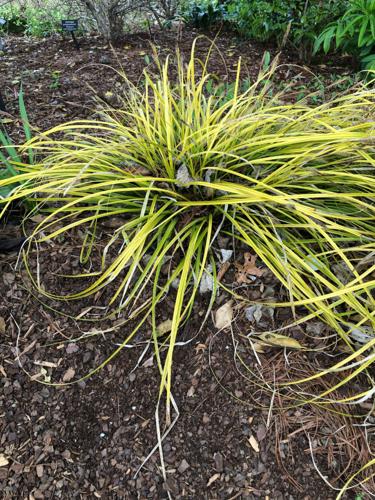
Pine fines mulch is small bits of pine bark leftover from processing logs for lumber.
Organic vs. inorganic
Plant-based mulches (such as composted wood chips, processed tree bark, pine needles, leaf or kitchen compost) can satisfy many of the aforementioned requirements, but they provide additional benefits to the garden.
People are also reading…
As those materials are digested by soil microbes, they release nutrients and organic acids that filter down into the soil where they improve soil fertility and structure and support microbe health. Organic mulches need to be applied repeatedly as they break down, but the tradeoff is that the material is continuously improving your garden soil. If your garden is on a sloping piece of land, though, some organic mulches may wash away with storm runoff. Choose carefully.
Inorganic mulches, such as various stone products, offer durability. They break down over time but at a rate that is measured in geologic timeframes. That means you’re not out there every spring, hauling new loads of stone into the garden. In most cases, the stone mulches tend to stay put. Most stone mulches are good about fostering air exchange between above and below ground spaces. But stone mulches don’t do much to improve the nutrition or structure of the soil below.
Weeds growing in mulch
While a more common contaminant in organic than inorganic mulches, all mulches carry some potential for weed introduction to the garden. If you are making your own compost, you can monitor it and make sure you are cooking it hot enough to kill weed seeds. If you buy from a reputable source, you’re usually safe. If somebody offers you a truckload of free mulch and a bridge in Brooklyn, probably best to pass on it.
How thick should my mulch be?
One of the key barriers to success with mulch is laying it on too thickly. No matter what product you use, the thicker you put it down, the more you impede water and air movement. Decreased rain/irrigation penetration and decreased gas exchange lead to a downward spiral of tree health.
Regardless of what mulch you use, a good goal is to maintain about a 2-inch-deep layer of mulch. That doesn’t mean add 2 inches of mulch each year. It means check what’s still there from the last application before you add anything new.
Organic mulch materials

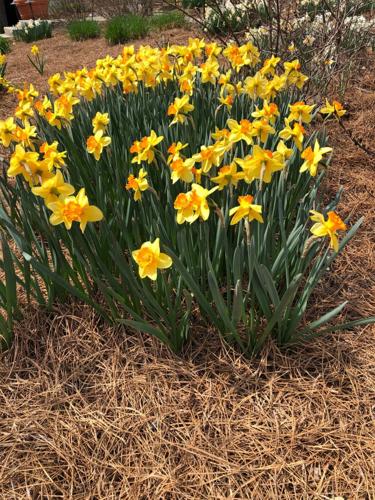
Pine straw mulch is easy to spread and good for roots and soil.Â
Shredded hardwood bark: One of the most common mulches found in most parts of the United States, but it is not one of the best. It has a tendency to form a dense mat of fibrous material, which is great for discouraging weeds but becomes a barrier to water penetration. The more it is composted before use, the better.
Processed pine bark: A lumber industry by-product available in a range of sizes. The largest — chunks a few inches in size — are not particularly useful as mulch. They don’t hold in much soil moisture in summer, don’t keep weeds down and will float away in the gentlest of summer rains.Â
On the smaller end of the spectrum, the product sold as pine fines, is a mixture of small bark pieces (less than 1 inch) and fine, peatmoss-like particles. This is one of the best mulches for gardens because it provides excellent texture qualities, doesn’t crust over in summer and breaks down to improve soil conditions below. The biggest drawback is that it can wash away if used on a steep slope.
Pine straw mulch:Â Lightweight and easy to spread, it's an excellent mulch. It allows plenty of air and water exchange and breaks down to improve soil health. Tends to hold in place fairly well once settled in. The big drawback is that if you have spined holly leaves, fall clean-up can be tough.
Leaf/kitchen compost: Great for the soil. Excellent nutrition source. Breaks down quickly. If you make and use it at home, it is a huge boost to the sustainability of your garden. The downside: If your compost pile doesn’t hit a critical temperature, it won’t kill weed seeds.
Shredded cypress and shredded cedar: Great for garden paths. The pieces knit together to form a cast-iron surface that sheds water, smothers weeds and holds up for a long time. They are not good for mulching around plants. The cypress is a good one to avoid for sustainability reasons, since many suppliers strip this from old-growth cypress trees.Â